
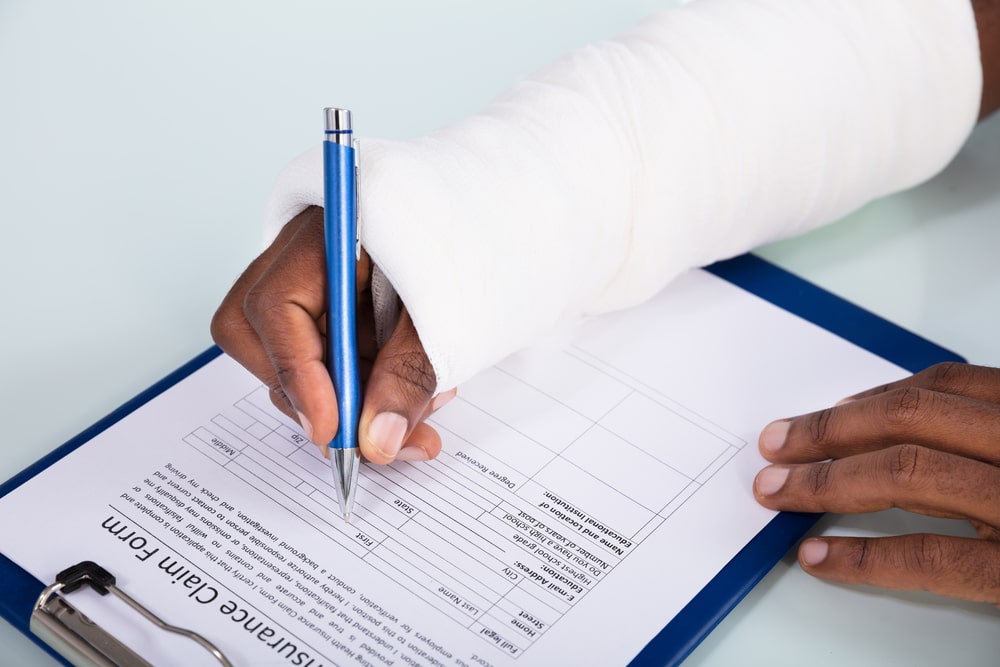
Construction projects carry real risk. Equipment gets damaged. Workers get injured. Completed work gets disputed. Insurance is supposed to provide a financial safety net when things go wrong, but the relationship between an insurance claim and a legal dispute is more complicated than most contractors and property owners realize. Understanding how the two interact can make a significant difference in how a conflict ultimately resolves.
Our friends at Volpe Law LLC work through these situations with clients regularly, and what a construction lawyer will tell you is that insurance coverage and legal liability don’t always point in the same direction, and assuming one takes care of the other is a mistake that costs people significantly.
Why Insurance and Legal Disputes Often Arise Together
When something goes wrong on a construction project, the natural first move for most people is to file an insurance claim. That makes sense. But the moment a claim is filed, a process begins that has legal implications whether or not a lawsuit ever gets filed.
Insurance companies investigate claims. They take statements, review contracts, inspect work, and make coverage determinations based on policy language that is often far more restrictive than policyholders expect. When a claim gets denied or a payout falls short of actual damages, litigation frequently follows.
At the same time, the dispute between the contractor and property owner, or between a general contractor and a subcontractor, may be developing on a separate track entirely. Those two processes interact in ways that can either help or hurt your position depending on how they’re managed.
Common Scenarios Where the Two Overlap
Construction insurance disputes and legal claims tend to collide in a few recurring situations:
- A property owner files a construction defect claim and the contractor’s general liability insurer disputes whether the damage is covered under the policy
- A subcontractor is injured on site and the question of which party’s coverage applies becomes a source of conflict between the general contractor and the property owner
- A contractor files a claim for damaged materials or equipment and the insurer’s valuation falls far short of actual replacement costs
- A completed project develops problems and both the contractor’s liability coverage and the owner’s property insurance are implicated without clear guidance on which applies
Each of these situations involves both an insurance coverage question and a potential legal dispute, and they need to be handled with awareness of how each affects the other.
What to Watch for When a Claim Gets Denied
A denial isn’t necessarily the end of the road. Insurance policies are contracts, and insurers have their own obligations under those contracts. When a denial is based on a misreading of policy language, an improper investigation, or bad faith handling of the claim, the denial itself can become the basis of a separate legal action.
Reviewing a denial letter carefully, understanding the specific policy exclusion being cited, and getting a legal opinion on whether the denial holds up are all steps worth taking before accepting a coverage decision as final.
Protecting Your Position From the Start
The best time to think about how insurance and legal liability interact is before a project begins, not after something goes wrong. Making sure contracts clearly address insurance requirements, indemnification obligations, and what happens when a claim arises puts everyone in a stronger position when a dispute develops. If you are already dealing with a situation where an insurance claim and a legal dispute are running alongside each other, reaching out to a construction attorney gives you the clearest picture of how to manage both effectively.